Team Spotlight: From the Outside Looking In: James Garner on Coming Full Circle at Fabric
March 18, 2026
|
6
minute read
Blog

Try to understand the people first and the technology second.
Head of Engineering

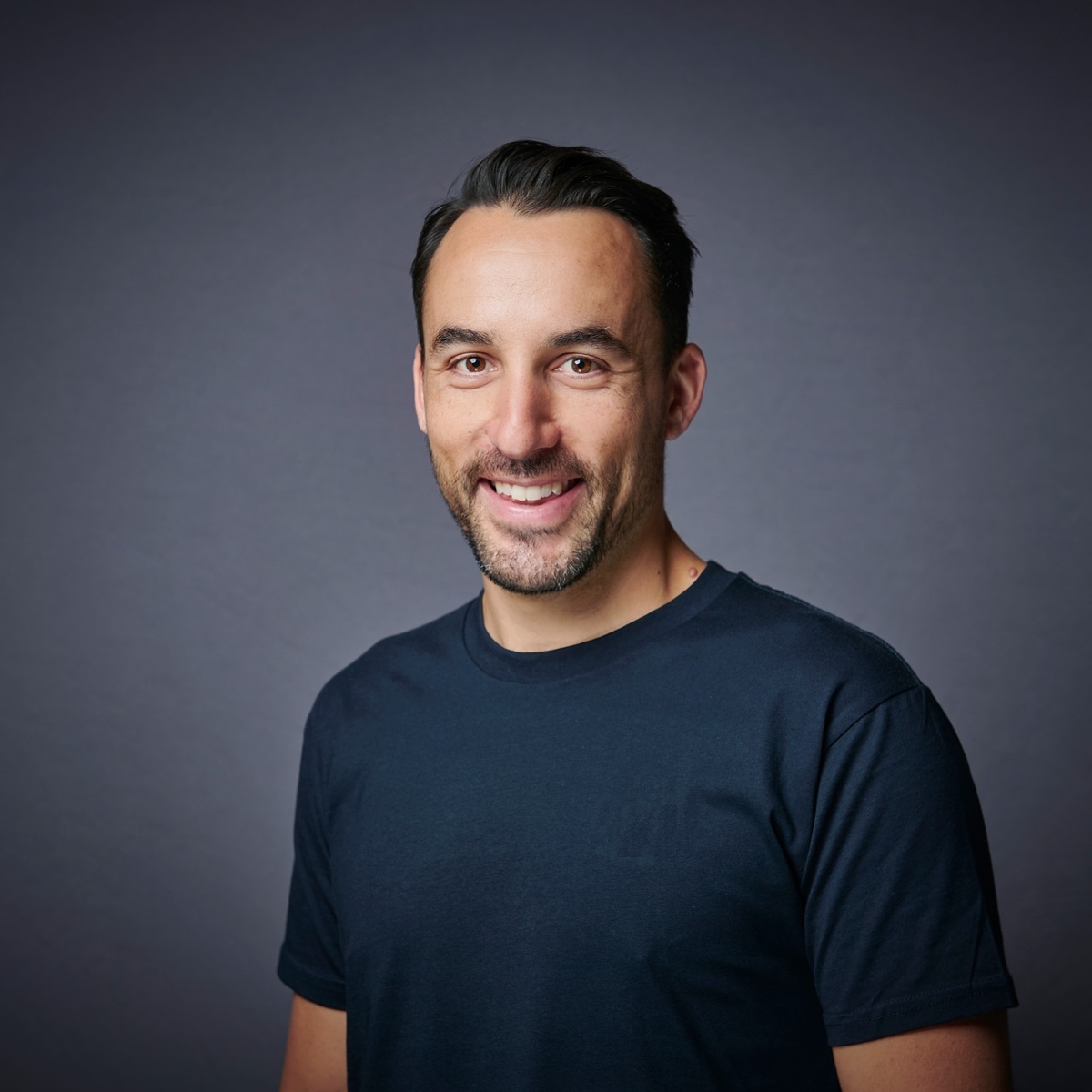
As Head of Engineering, my days follow a similar rhythm, though no two are ever quite the same (as cliché as that sounds). I usually cycle into the CBD and spend the first part of the morning catching up on Slack and emails before grabbing a coffee - either from downstairs or the espresso machine in our office.
My calendar is mostly anchored by weekly rhythms: resourcing calls, client governance meetings, and regular 1:1s or leadership catch-ups to keep a pulse on how everyone is doing. The rest of my time is a bit of a mix - I might be interviewing, managing workforce needs across our accounts, or doing advisory work for clients. I spend a lot of my mental energy thinking about how we can scale Fabric sustainably as a business. If the stars align and our calendars are favorable, I’ll occasionally head out for a lunch run around the Tan with a few colleagues to reset for the afternoon.
My history with Fabric actually goes back ten years. I was with a different company at the time, but we were all working out of the same office on a joint project. I’ve watched the business grow from afar ever since, and I’ve been especially impressed by the recent investment in the culture and the team. Eventually, I realised I didn’t want to just watch from the sidelines anymore. I wanted to jump in during this growth phase and apply what I’ve learned over the years to help the business move forward.
I start every week with a rough plan and a clear idea of what I want to accomplish by Friday. A big part of that is identifying what I need to say ‘no’ to, which is usually the hardest part. For longer projects, I rely on regular check-ins to build momentum. I tend to leverage my own aversion to failure - knowing there’s a meeting coming up ensures I’ve made tangible progress. When I’m on an active client engagement, I prioritise that work and limit internal tasks as much as possible to avoid feeling like a piece of butter scraped over too much bread.
My career path almost took a completely different turn back in 2001. I was submitting my university course preferences (on paper!) and was torn between Law and Computer Science. Even though I enjoyed legal studies in high school, I knew deep down I was a computer nerd. I spent my free time back then installing and configuring Linux distributions like Slackware for fun, and I even wrote my 18th birthday invitation in HTML - tragic! So, I figured, why not get paid for something I love? That was definitely a 'sliding doors' moment for me. I went to RMIT as it was known for being more hands-on - in my first year I was building and programming an LCD display with C++, learning Java and building a power supply. Never looked back.
Workforce management in consulting is often described as four-dimensional chess, and lately I’ve had a crack at solving it for Fabric. We started with a series of product evaluations and are now rolling out a solution. I’m the first to admit that tooling is only one part of the problem, but I’ve really enjoyed the challenge of building a better system for how we staff our projects and track budgets. It will also enhance our financial & utilisation reporting capability across our portfolio. It’s step 1 of some other things I have up my sleeve…
My main advice is to be human-centric. Try to understand the people first and the technology second; a technical solution is only successful if it actually works for the people using it. If you take the time to deeply empathise with a client's problems, you’ll start delivering meaningful outcomes rather than just technical outputs.
I’d also ask: why did you join consulting? Most people are drawn to the variety and the chance to 'optimise for experience' by seeing many different environments in a short time. If that’s you, then index for variety and stay flexible. If you’re looking to play the exact same role for three years, consulting probably isn't the right fit - but if you’re open to wearing different hats, you'll see a lot of growth very quickly.
In a previous role, 2024 was a particularly difficult year filled with tough conversations. It was hard to navigate at the time, but striving to do the right thing for the people around me kept me centered. I’ve always found more joy in the success of others than my own, and I try to use my position to support and recognise people whenever I can. I certainly didn't get it right every time, but when I eventually moved on, having people reach out to say thanks was the best kind of validation. It reinforced the idea that people might not remember exactly what you said, but they’ll always remember how you made them feel.
We will become the ‘grown-up’ version of ourselves without losing the agility that makes us effective. At the moment we are deepening key partnerships and doing the unglamorous but vital work of maturing our compliance procedures. I’m lucky to be tackling this alongside an excellent Operations team; they’re all incredibly motivated to push the company forward, which makes the heavy lifting a lot easier. As we continue to earn the trust of our clients, it’s allowing us to take on much more complex and interesting work - our consultants will grow their own capabilities and evolve their career journeys as the business scales.
People might be surprised to know that I almost quit consulting six months after starting my first role in 2011 - flying in and out of Canberra solo was a grim way to cut my teeth (but Canberra has some great restaurants!). I was really struggling at the time, yet fifteen years later, I’m still in the industry. I’m glad I stuck it out, as it turned out to be the right path for me - so far! On a lighter note, I’m a dual citizen, I’m red-green color vision deficient, and - true to my inner nerd - I can recite pi to 16 decimal places.
Full-circle
As I mentioned earlier, I first worked out of these offices ten years ago as an outsider on a joint project. Coming back a decade later to help lead the team and scale the business is an exciting next chapter.



.svg)