Team Spotlight: From Problem Solver to Technical Leader with Abhishek
November 9, 2026
|
5
minute read
Blog


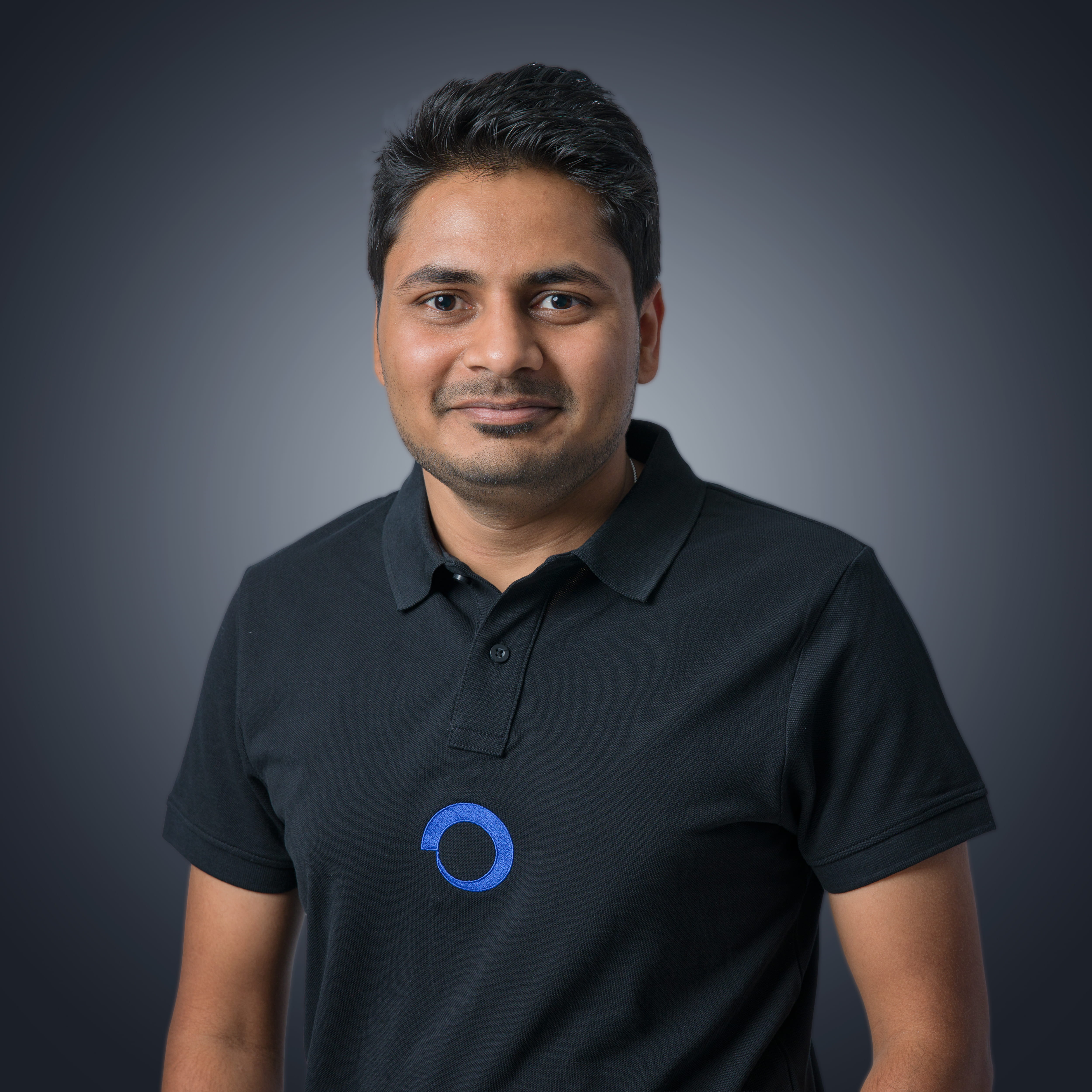
As a Technical Lead at Fabric, my role sits at the intersection of technology, people and business. No two days are quite the same. A typical day might involve running a workshop with clients to brainstorm problems and shape solutions, or leading a delivery team to build a technical solution and tackle engineering challenges.
What I enjoy most is that there isn't really a "typical" day. Consulting presents a constantly changing set of problems, and I enjoy being able to move between the bigger picture and the technical details.
I was drawn in by the smart people working at Fabric, and I wasn't wrong. It's a place where opinions are heard and respected, and where you get to work on interesting technical and business problems.
It comes down to being deliberate about priorities and communication. I try to understand the impact of each client's work rather than treating everything as equally important, and I lean on my team to help me understand different needs.
Importantly, I've learnt that to be a good consultant, you need to be comfortable saying, "We could do that, but here's what I'd prioritise instead."
It happened in my second year of engineering. One of my teachers noticed I had a knack for writing code and encouraged me to take it further.
He went out of his way to introduce me to people already working in the industry, and hearing about their experiences made the work sound really exciting. He helped me figure out how to get there, and I've been hooked on solving problems with technology ever since.
People often picture my job as sitting alone in front of a computer, a bit like a hacker working away in a basement.
In reality, I spend most of my day talking to people, whether that's clients, my team or other stakeholders. Even when we're designing or building a solution, I'm almost always working through it with a peer. Teamwork is a huge part of what I do, and that's what makes the work better.
My favourite recent project was one I delivered for a large Australian client. I had end-to-end ownership, from engaging with the customer to shaping the design and writing the code.
It's also the project where I grew into a Technical Lead. Along the way, I learnt how to delegate effectively and manage the expectations of people in my team.
I was fortunate to work alongside a great Delivery Lead who helped set me on the right path, and that support made a big difference.
Consulting is all about being flexible and open to doing whatever work is needed to achieve a clearly defined objective.
That's why my biggest piece of advice is to spend time defining that objective. It's the first thing you should question, and it's worth getting right.
Once you're clear on what you're actually trying to achieve, the solutions usually come more easily.
My hardest-earned lesson is that a team works best when you stop expecting everyone to be good at the same things.
Early on as a lead, I assumed everyone would approach work the way I did. I learnt that my real job is to understand what each person does best and structure the work so those strengths drive the outcome.
One moment that made it click was when I moved a team member from their existing role into a different one that suited them better. It really paid off, both for them and for the team.
The most rewarding part is watching people do their best work because they're in the right role.
I think Fabric is well-positioned to thrive in the era of AI.
Prototyping is getting easier, and solutions are being delivered faster than ever. Writing code is becoming less time-consuming, but what matters more is understanding the real problem and solving it well. That's exactly where Fabric's strength lies.
As AI accelerates delivery, I see us spending more time solving problems alongside our clients and delivering great outcomes even faster.
People are often surprised to hear that I never finished my engineering degree.
In my second year, I decided to drop out and pursue a career in IT. I started my first job in the industry before I'd even turned 18.
It was a big leap at the time, but jumping in early taught me a lot, and I've never looked back.
Evolving.
Fabric keeps changing and growing, and so have I.
I joined because of the smart people here, and since then I've grown from writing code into leading teams and owning projects end to end.
As the industry shifts, especially with AI, Fabric continues to adapt, and that constant growth is what keeps it exciting.